As the year winds down, it’s the perfect opportunity for homeowners to assess their finances and make strategic decisions to prepare for the coming year. Whether you’re a new homeowner

Dated: May 27 2025
Views: 8

Minimalism has become more than just a design trend—it’s a lifestyle that emphasizes simplicity, functionality, and clarity. Decorating your home like a minimalist doesn’t mean your space has to be cold or barren; instead, it’s about creating an environment that’s free of clutter, aesthetically pleasing, and full of purpose.
Whether you’re drawn to minimalism for its clean lines, its calming vibe, or its practical nature, here’s a guide to help you decorate your home like a true minimalist.
1. Start with Decluttering
Minimalist design begins with simplicity, and that means getting rid of unnecessary items.
By decluttering first, you set the stage for a true minimalist transformation.
2. Choose a Neutral Color Palette
Minimalism often relies on neutral tones to create a serene and cohesive environment.
A neutral palette forms the foundation of minimalist design, allowing the focus to remain on the space itself.
3. Invest in Quality, Not Quantity
Minimalist homes prioritize quality over quantity when it comes to furniture and decor.
Minimalism is about curating your space thoughtfully, not filling it with unnecessary items.
4. Embrace Functional Decor
In a minimalist home, every item should have a purpose—whether it’s practical, aesthetic, or both.
By keeping decor functional and intentional, you can avoid overwhelming your space.
5. Let in Natural Light
Lighting is a key element of minimalist design, and natural light is the best way to brighten your space.
If natural light is limited, opt for simple, unobtrusive lighting fixtures with warm, soft tones.
6. Focus on Clean Lines and Simple Shapes
Minimalism thrives on simplicity, so avoid overly ornate or complicated designs.
This approach ensures that every element feels intentional and contributes to the overall aesthetic.
7. Create Open and Functional Spaces
Minimalist homes emphasize open layouts and functional flow.
This focus on openness makes your home feel more inviting and less chaotic.
8. Incorporate Natural Materials
Minimalist design often draws inspiration from nature, using organic materials to add warmth and texture.
These materials bring life to your space while staying true to minimalist principles.
Conclusion
Decorating your home like a minimalist is all about creating a space that feels peaceful, purposeful, and inviting. By focusing on simplicity, functionality, and intentional design, you can transform your home into a haven of calm and clarity.
Start with decluttering and stick to a neutral palette, invest in quality pieces, and embrace natural light and materials. Most importantly, make sure your space reflects what matters most to you—because in minimalism, less is truly more.
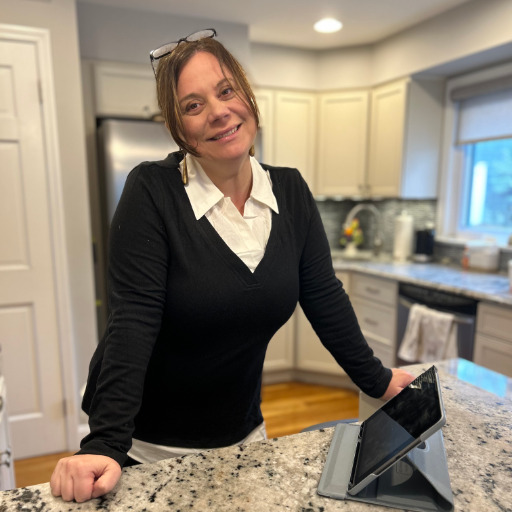
Hi my name is Michelle Wright, I'm a Real Estate Agent with Signature Premier Properties. I live in Huntington with my husband, Cory, our son Mason & our dog Nikki. I have been in the real e....
As the year winds down, it’s the perfect opportunity for homeowners to assess their finances and make strategic decisions to prepare for the coming year. Whether you’re a new homeowner
When it comes to selling your home, first impressions matter. Creating a welcoming, appealing atmosphere can make all the difference when potential buyers walk through the door. Here are 7 essential
Buying a new home is an exciting milestone, but it requires careful financial preparation to ensure the process goes smoothly and the investment fits comfortably into your budget. For prospective
The holiday season is a time for joy, togetherness, and creating special memories. Whether you’re spending time with family, friends, or your community, these festive activities will bring
 OneKey® MLS required Copyright, Source of Data and Disclaimer for IDX display
Information Copyright 2026, OneKey® MLS. All Rights Reserved.
The source of the displayed data is either the property owner or public record provided by non-governmental third parties. It is believed to be reliable but not guaranteed. This information is provided exclusively for consumers' personal, non-commercial use.
The data relating to real estate for sale on this website comes in part from the
IDX Program of OneKey® MLS.
OneKey® MLS required Copyright, Source of Data and Disclaimer for IDX display
Information Copyright 2026, OneKey® MLS. All Rights Reserved.
The source of the displayed data is either the property owner or public record provided by non-governmental third parties. It is believed to be reliable but not guaranteed. This information is provided exclusively for consumers' personal, non-commercial use.
The data relating to real estate for sale on this website comes in part from the
IDX Program of OneKey® MLS.
33. Required DMCA Notice
The Digital Millennium Copyright Act of 1998, 17 U.S.C. §512, the DMCA, provides recourse for copyright owners who believe that material appearing on the Internet infringes their rights under U.S. copyright law. If you believe in good faith that any content or material made available in connection with our website or services infringes your copyright, you (or your agent) may send us a notice requesting that the content or material be removed, or access to it blocked. Notices must be sent in writing by email to DMCAnotice@MLSGrid.com. The DMCA requires that your notice of alleged copyright infringement include the following information: (1) description of the copyrighted work that is the subject of claimed infringement; (2) description of the alleged infringing content and information sufficient to permit us to locate the content; (3) contact information for you, including your address, telephone number and email address; (4) a statement by you that you have a good faith belief that the content in the manner complained of is not authorized by the copyright owner, or its agent, or by the operation of any law; (5) a statement by you, signed under penalty of perjury, that the information in the notification is accurate and that you have the authority to enforce the copyrights that are claimed to be infringed; and (6) a physical or electronic signature of the copyright owner or a person authorized to act on the copyright owner\'s behalf. Failure to include all of the above information may result in the delay of the processing of your complaint.
Show More...